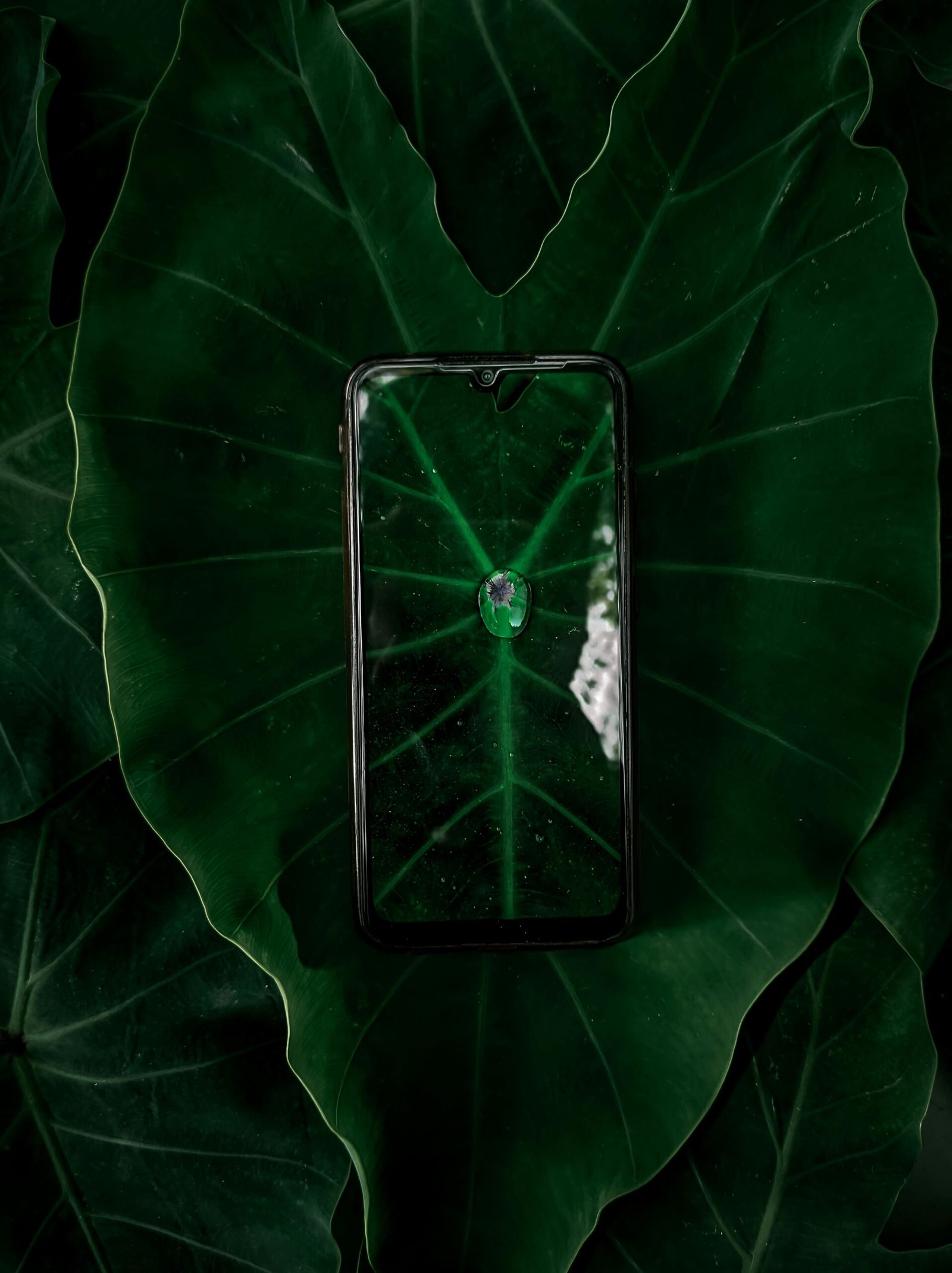
The False Conflict
Writing is a journey.
And my journey with Lightmaker began when I reacted to a modern myth.
What was that myth? Simple: the idea that ‘natural means better’.
Before you accuse me of a ‘Pave the Amazon’ lunacy, I’m really seeking to challenge sloppy thinking.
If someone says natural stuff is better, I’ll ask why.
That question usually earns me confused stares. People say things like, ‘Of course natural stuff is better, it’s… er… natural… and… er…’
Not very convincing.
And I’m not convinced.
Some natural things I don’t want near me.
Scorpions, death cap mushrooms, arsenic, lead, botulism, malaria, Spanish flu. The list goes on.
Some artificial things I’m happy to work with.
Wheelchairs, glasses, clothes, shoes, screwdrivers, hammers, and tables.
I’ll eat modern (and not-entirely natural) food, like modern bananas, modern corn, modern carrots.
The distinction between nature and technology is woolly, meaningless, and even harmful.
Can you always pigeonhole something as natural or unnatural?
What about nuclear fusion? That powers the sun, so is nuclear power natural?
And technology is likely to advance in the future.
One fascinating aspect of systems in the wild is how resilient they can be. Consider predator-prey relationships. If prey numbers increase, there’s scope for more predators, and overpopulation is kept in check.
Another is the healing we see in ‘natural’ bodies. We know a cut will heal; we know our bodies can usually fight off infections.
It could be argued that modern technological systems lack this capacity to self-check and self-heal.
But will that always be the case?
We’re already seeing AI-powered software automatically resolving networking issues, and car coatings that use sunlight to repair minor scratches.
Nature isn’t an opponent of technology; it’s a roadmap. A list of functions technology can work towards.
And this is a theme in Lightmaker.
I wanted to explore how advanced technology might take ideas from nature in the future. Could machines do the work we currently expect from trees or plants? What would a society capable of this look like, and how would people grow up in that world?
And crucially, what if people forgot how to build that world? Or how to maintain it?
I don’t have all the answers, but I like to think I’ve asked some useful questions.
I don’t agree that nature is better than technology, and I don’t feel the natural world should hem us in. However, nature can inspire us and suggest new ways forward.
Climb a ladder and you’ll probably use both hands. If you write ‘Technology’ on one hand and ‘Nature’ on the other, you’ll probably understand why I don’t think we should prefer one to the other.